
Leave Your Message
Explore our high-performance cast films, anti-fog polyolefins, and low-temperature sealing solutions engineered for high-speed automatic tissue packaging lines.
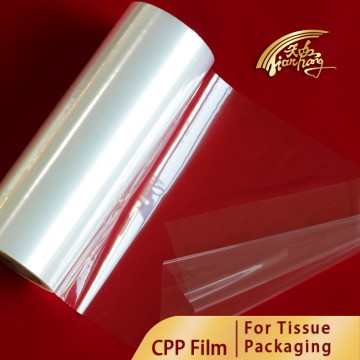 Tissue Paper Packaging CPP Cast Film Double-Sided Heat Sealable Surface Printable
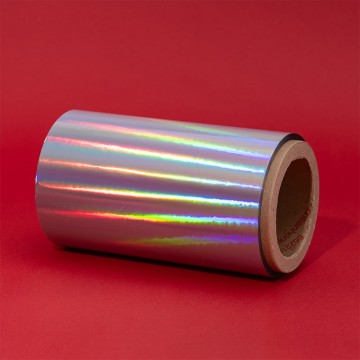 BOPP/BOPET/Aluminized BOPET Laser Film: Preferred for High-Value Anti-Counterfeiting Packaging
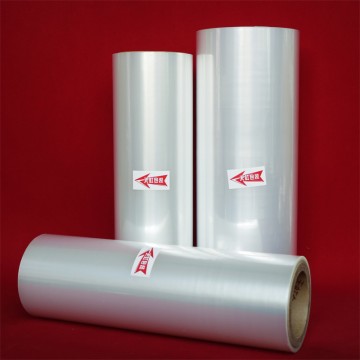 Anti-fog PE film Cold Anti-fog Hot anti-fog Clear and Transparent
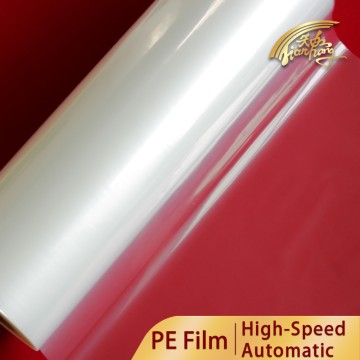 Ultra-Low Temperature IPE Film, High-Speed Automatic Packaging, Low-Temperature Heat Sealing
In the contemporary flexible packaging ecosystem, the boundary between food packaging films and personal hygiene wrappers has merged. Fast-moving consumer goods (FMCG) manufacturers are increasingly adopting food-grade certified polymer films for tissue paper, facial tissues, pocket wipes, and wet wipes wrapping. The requirement for zero chemical migration, high optical clarity, robust tensile strength, and hermetic sealing has driven converted film converters to leverage advanced food packaging film technologies.
Tissue paper and personal wipes come into direct contact with human skin, mouth, and sensitive areas. Consequently, standard industrial-grade films are no longer sufficient. Utilizing high-purity, food-grade Cast Polypropylene (CPP) and Integrated Polyethylene (IPE) substrates guarantees that zero toxic plasticizers, residual solvents, or volatile organic compounds (VOCs) migrate into the tissue fibers. This transition satisfies strict FDA, EU 10/2011, and ISO environmental standards globally.
Tissue products are vulnerable to ambient moisture, humidity, and external contamination. Food-grade packaging films deliver superior water vapor barrier properties (WVTR), maintaining optimal dryness for facial tissues and preventing liquid evaporation in wet wipes.
Modern tissue packaging machinery operates at speeds exceeding 500 to 1,000 packs per minute. Films must possess a controlled Coefficient of Friction (COF), exceptional static elimination, and wide hot-tack sealing windows to prevent film distortion or jamming during high-speed feeding.
High-transparency CPP and IPE base films deliver brilliant surface gloss, high print fidelity for multi-color flexographic or rotogravure printing, and scratch-resistant surfaces that enhance retail shelf presence for premium tissue brands.
Selecting the right polymer matrix is critical to optimizing cost, seal integrity, and machine throughput. Below is an engineering overview of flexible substrates utilized in high-grade food and tissue packaging.
| Film Substrate Type | Primary Feature & Formulation | Heat Sealing Temp Range | Tensile Strength (MD/TD) | Target Application Scenario |
|---|---|---|---|---|
| Double-Sided CPP Cast Film | Polypropylene random copolymer with slip additives | 105°C - 135°C | ≥ 40 / 35 MPa | Multi-pack tissue overwraps, food snacks, clear bags |
| Ultra-Low Temp IPE Film | Metallocene-catalyzed Linear Low-Density PE | 75°C - 105°C | ≥ 32 / 28 MPa | Ultra-high-speed tissue wrapping, frozen food packaging |
| Anti-Fog PE Substrate | Co-extruded surface-active anti-fog agents | 90°C - 120°C | ≥ 30 / 25 MPa | Moist tissue packs, fresh produce food packaging |
| Matte Finish CPP Film | Matte resin formulation with non-glare surface | 110°C - 140°C | ≥ 38 / 32 MPa | Tactile premium tissue wrappers, luxury food pouches |
| Laser / Holographic Film | Embossed BOPP/BOPET with aluminum metallization | N/A (Lamination Substrate) | ≥ 140 / 200 MPa | Anti-counterfeiting tissue boxes, premium tea & food boxes |
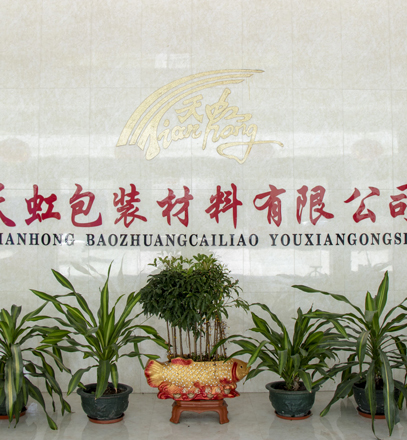
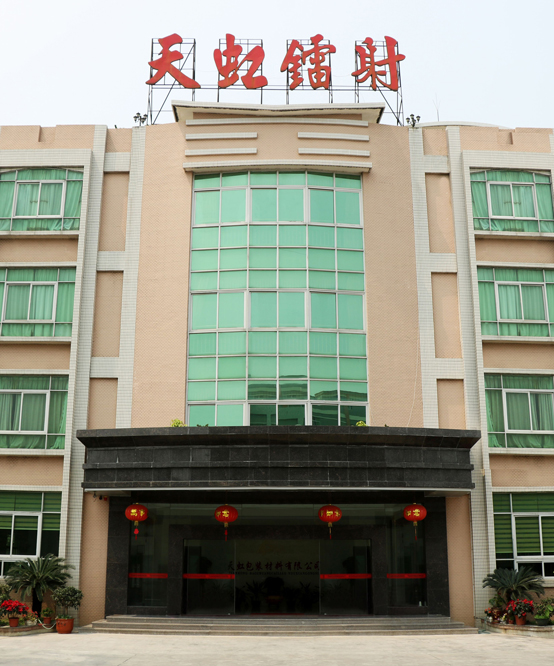
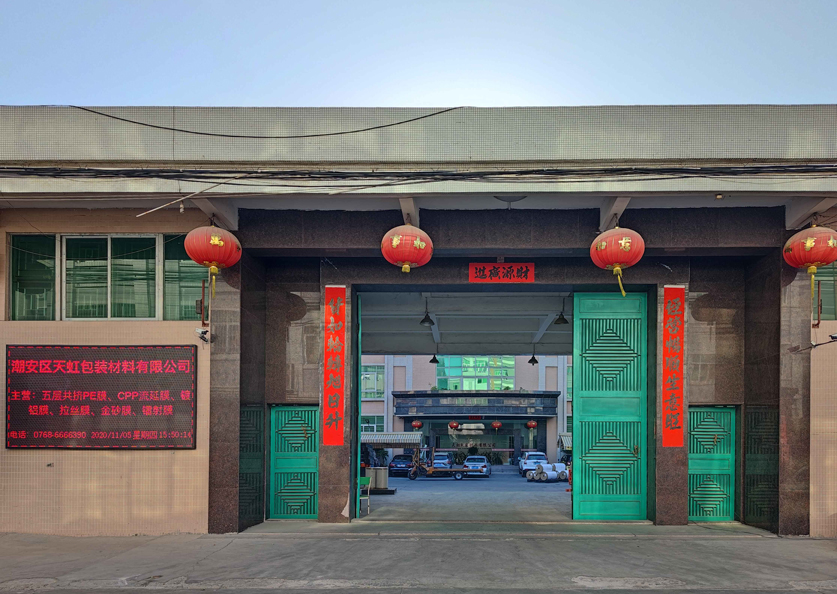
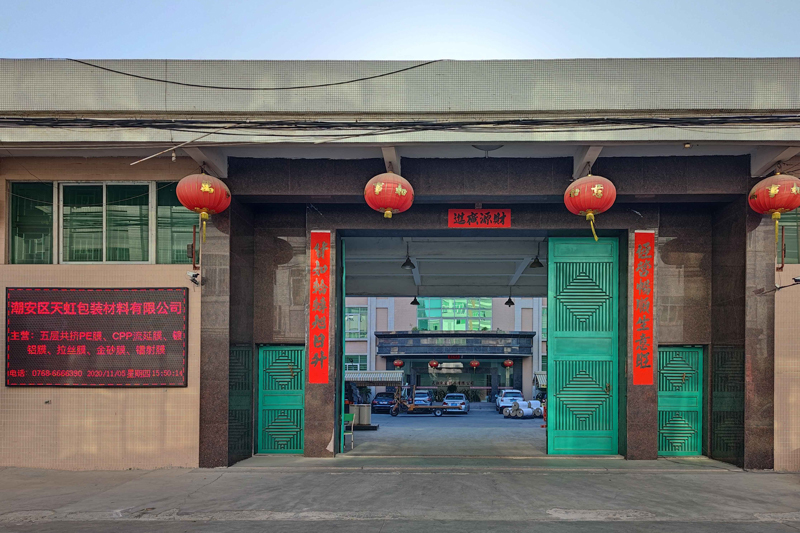
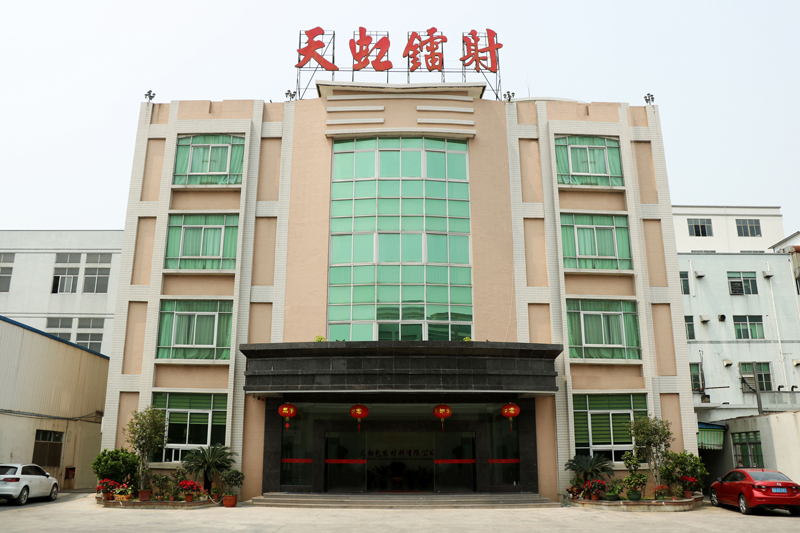
Chaozhou Chao'an Tianhong Packaging Materials Co., Ltd. has been deeply engaged in the plastic film industry since 1990, with over 30 years of experience in the R&D and production of high-performance films (CPP film, PE film, laser film, BOPET film, BOPP film, BOPA film, etc.). Located in Anbu Town, Chaoshan Plain, eastern Guangdong, China, the company is a comprehensive enterprise integrating the R&D, production, and sales of packaging materials. As a leading film supplier, we are committed to providing core solutions for composite packaging substrates to color printing companies worldwide, covering the high-end packaging needs of various industries, including food, hygiene, pharmaceuticals, daily chemicals, and electronics.
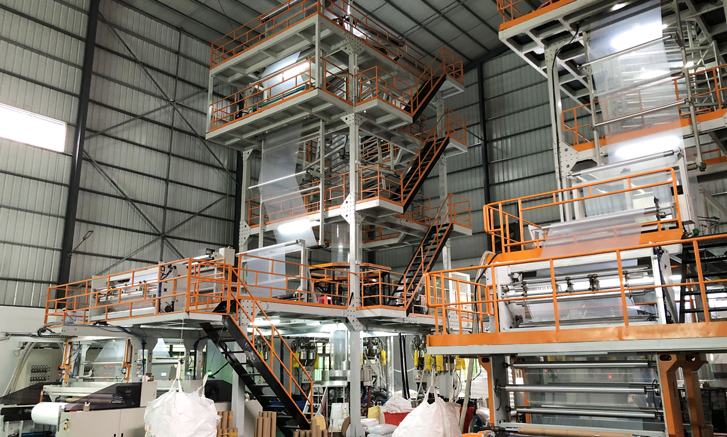
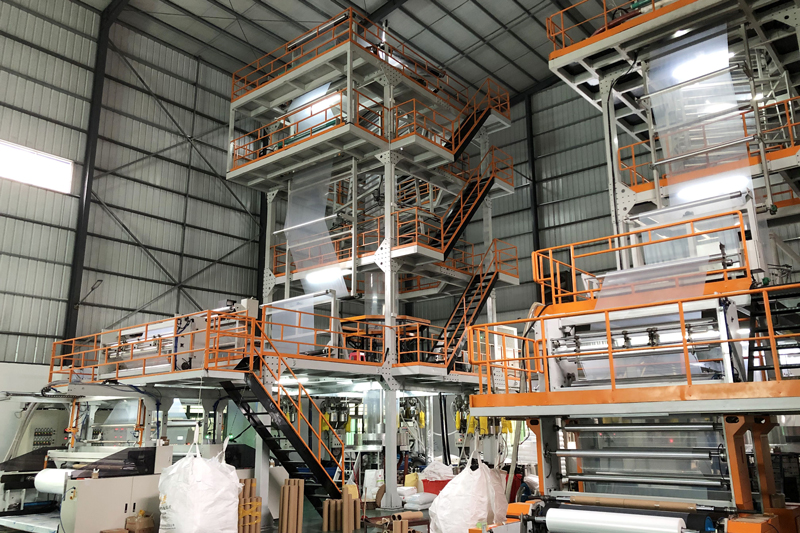
Our 50-acre modern production base is fully equipped with multiple five-layer coextrusion blow molding lines, CPP cast film lines, and wide-format laser lamination equipment. Combined with coating and embossing technologies, our annual production capacity reaches 20,000 tons.
Our technical team of nearly 100, including experienced R&D engineers, provides comprehensive support tailored to the specific needs of our clients' industries, including film selection, lamination process optimization, and functional development (such as antistatic and high-barrier properties), ensuring the optimal balance between packaging performance and cost. Our unique laser and embossed films add a touch of vibrant color to laminated packaging.
"Committed to serving global flexible packaging color printing companies, using innovative film materials to drive the transformation of packaging towards green, efficient, high-barrier, and high-quality"
Tianhong will continue to invest in R&D, focusing on cutting-edge fields such as high-barrier composite substrate films, biodegradable materials, environmentally friendly laser films, and embossed films, helping our clients seize opportunities in the wave of sustainable development. Contact us to collaborate on developing innovative and efficient packaging.
As circular economy regulations tighten across Europe, North America, and Asia Pacific, film converters are undergoing significant technical evolutions. The tissue packaging industry is migrating away from non-recyclable multi-material laminates toward mono-material Polyolefin solutions.
By pairing high-stiffness MDO-PE or oriented CPP with low-temperature sealing inner layers, brand owners can produce 100% recyclable tissue overwraps that fit directly into existing polyolefins recycling streams without sacrificing line speed.
Leveraging five-layer co-extrusion technology allows engineers to reduce film thickness from 30 microns down to 18–22 microns while maintaining puncture resistance, drop strength, and seal integrity—significantly reducing carbon footprint.
Modern consumers demand effortless opening mechanisms. Directionally oriented easy-tear PE/CPP films enable clean, straight-line opening for pocket tissues and sanitary packaging without requiring auxiliary tear tapes.
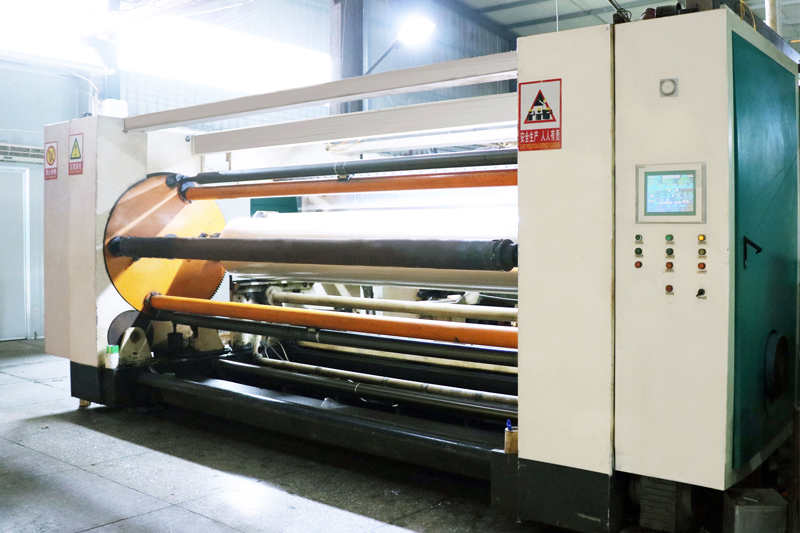
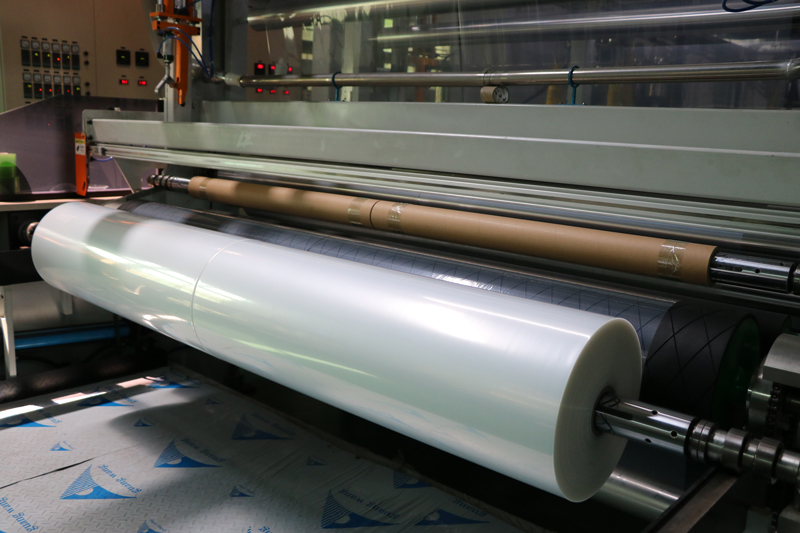
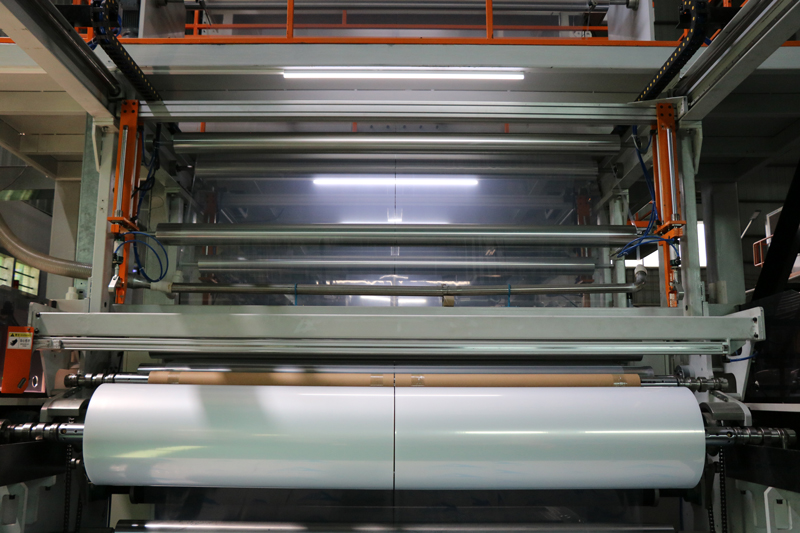
State-of-the-art co-extrusion lines and strict quality control standards for global packaging exports.
Whether wrapping delicate facial tissues, heavy kitchen towel bundles, or high-humidity food products, choosing the correct film structure determines product longevity and operational productivity.
Pocket-sized tissue packs require double-sided heat-sealable CPP or soft-touch PE films that offer superior clarity, low sealing onset temperature, and excellent stiffness for tight overwraps. Surface printability ensures vivid branding.
Wet wipe containers require high barrier films resistant to alcohol, essential oils, and liquid formulas. High-functionality IPE films integrated with acid and alkali resistance prevent seal degradation and foil delamination over extended shelf lives.
Luxury cosmetic tissues and premium confectioneries utilize laser embossed BOPET and aluminized films to provide eye-catching refractive visual effects, protecting brands against counterfeit products while commanding retail shelf prominence.
Expert insights regarding film selection, food-grade compliance, and machine compatibility.
Browse our full suite of engineered packaging substrates, anti-fog solutions, high-barrier laminates, and decorative anti-counterfeiting laser films.
Tissue Paper Packaging CPP Cast Film Double-Sided Heat Sealable Surface Printable
BOPP/BOPET/Aluminized BOPET Laser Film: Preferred for High-Value Anti-Counterfeiting Packaging
Anti-fog PE film Cold Anti-fog Hot anti-fog Clear and Transparent
Ultra-Low Temperature IPE Film, High-Speed Automatic Packaging, Low-Temperature Heat Sealing
 Matte CPP Film Single Matt Double Matt Matte
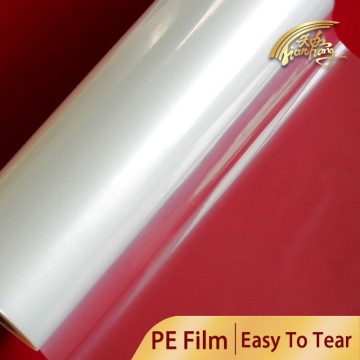 Two-Way Easy-Tear PE Film, Easy To Tear, Hard And Brittle
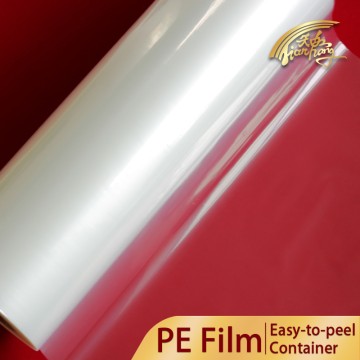 Easy-to-peel Container Cover Film IPE Film PE PP PET PVC PS
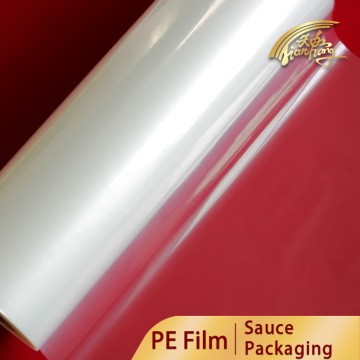 IPE Film, High Functionality, Sauce Packaging, Acid And Alkali Resistant Packaging, Boiling Packaging