Leave Your Message
Portugal's industrial landscape is undergoing a significant transformation, driven by modernization, strict European Union environmental regulations, and a growing domestic demand for high-quality packaging. As a nation with a rich heritage in food processing, agriculture, and manufacturing, Portugal relies heavily on advanced packaging materials to secure its supply chains and maintain export competitiveness. Heat resistant films have emerged as a critical component in this industrial evolution.
From the bustling food processing hubs in the Norte region and Lisbon to the intensive agricultural fields of Alentejo and the Algarve, the demand for films that can withstand extreme temperatures is rising. Portuguese industries require materials that perform consistently under high-temperature processes such as pasteurization, autoclave sterilization, and high-speed thermal sealing.
Furthermore, Portugal's strategic position as a gateway to Atlantic and European maritime trade means that products packaged here must endure varied climatic conditions during transit. Heat resistant films ensure that food products, pharmaceuticals, and industrial goods maintain their integrity, barrier properties, and aesthetic appeal from the factory floor to the global consumer.
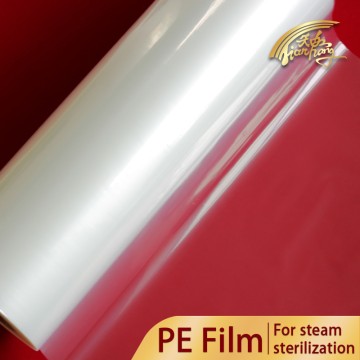
1. The Canned Seafood & Preserves Industry: Portugal is world-renowned for its high-quality canned sardines, tuna, and cod. Traditional metal cans are increasingly being supplemented or replaced by flexible retort pouches. These pouches utilize advanced heat-resistant films, such as our Cooking PE (121℃) and specialized CPP cast films, which can survive the rigorous retort sterilization process without delaminating or losing barrier properties.
2. Dairy and Ready-Meal Packaging: In the Azores and Northern Portugal, the dairy industry is a major economic driver. Yogurt cups, cheese trays, and pre-cooked Portuguese meals require secure, easy-to-peel lidding films. Our Easy-to-Peel Container Cover Films provide an airtight seal during high-temperature filling and pasteurization while ensuring consumer convenience.
3. Industrial and Agricultural Lamination: The Portuguese agricultural sector uses high-barrier films for soil solarization, greenhouse coverings, and animal feed silage. In industrial sectors, heat-resistant films act as protective layers during hot-melt lamination processes for automotive parts and electronics assembly.
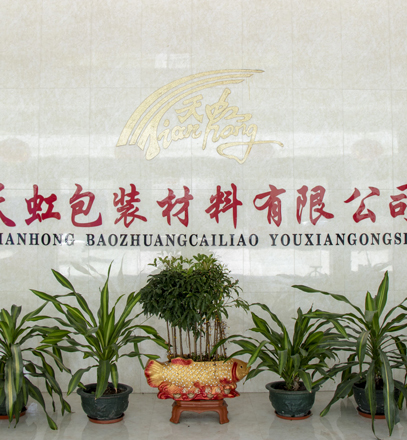
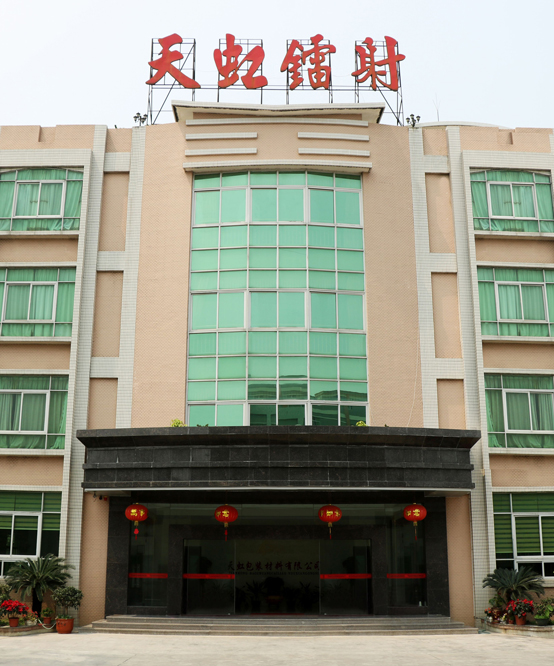
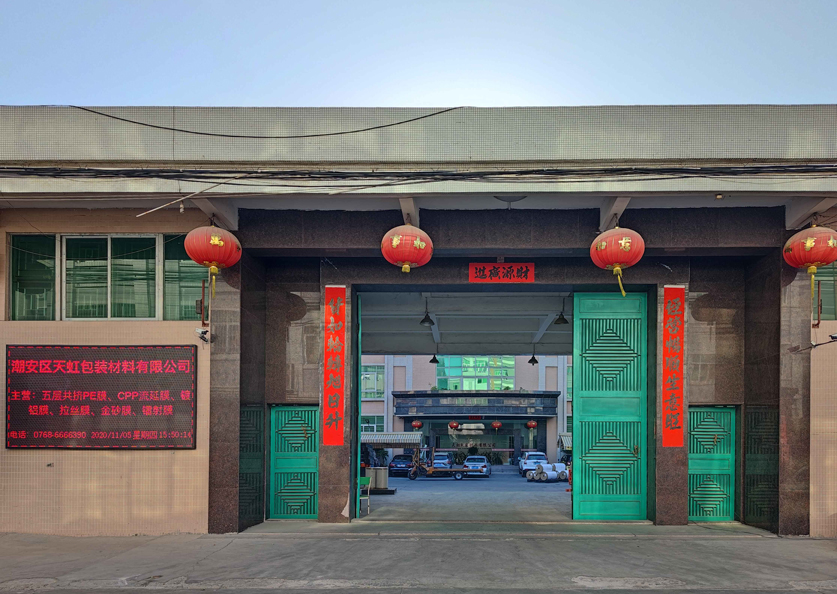
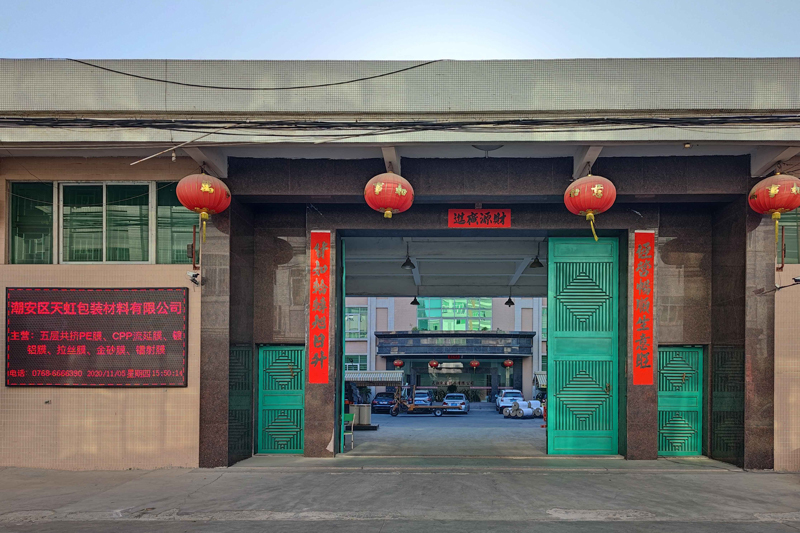
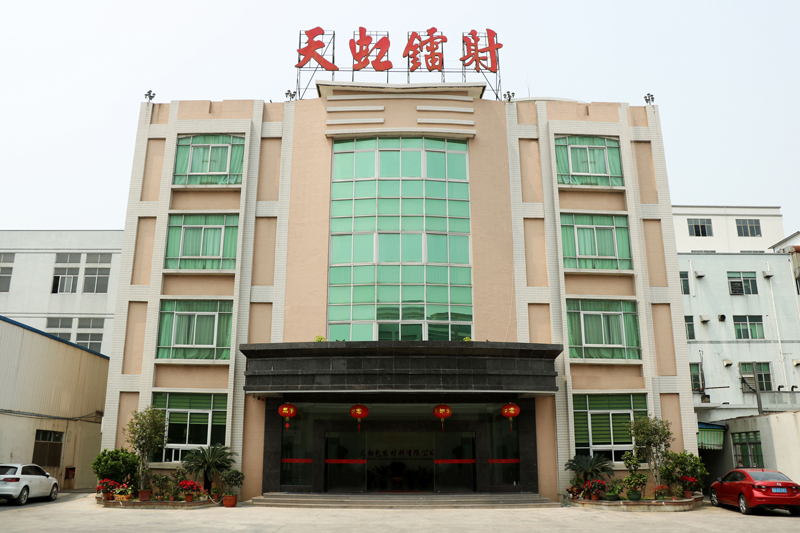
Chaozhou Chao'an Tianhong Packaging Materials Co., Ltd. has been deeply engaged in the plastic film industry since 1990, with over 30 years of experience in the R&D and production of high-performance films (CPP film, PE film, laser film, BOPET film, BOPP film, BOPA film, etc.). Located in Anbu Town, Chaoshan Plain, eastern Guangdong, China, the company is a comprehensive enterprise integrating the R&D, production, and sales of packaging materials.
As a leading film supplier, we are committed to providing core solutions for composite packaging substrates to color printing companies worldwide, covering the high-end packaging needs of various industries, including food, hygiene, pharmaceuticals, daily chemicals, and electronics. Our expertise allows us to seamlessly serve the demanding requirements of the Portuguese market, matching European standards for quality, safety, and durability.
By combining our 30+ years of manufacturing expertise with local insights into the Portuguese market, we deliver customizable, high-temperature resistant film structures that optimize production efficiency and product safety.
The flexible packaging industry in Europe, and specifically in Portugal, is moving rapidly toward sustainability, material reduction, and functional enhancement. Under the framework of the European Green Deal and the Packaging and Packaging Waste Regulation (PPWR), businesses in Porto, Lisbon, and Braga are actively seeking packaging substrates that are not only high-performing but also fully recyclable.
Traditionally, heat resistant packaging required multi-material laminates (e.g., PET/AL/PE) which are extremely difficult to recycle. The current trend in Portugal is the adoption of mono-material structures. Our IPE (Innovative Polyethylene) Film is designed to replace traditional PET or OPA in composite structures, allowing for 100% recyclable all-PE packaging that still maintains excellent thermal stability and sealability on high-speed packaging lines.
With the global focus on reducing food waste, Portuguese food exporters are demanding films with superior oxygen, moisture, and aroma barriers. Heat resistant films must now integrate barrier layers (such as EVOH or metallized coatings) without compromising their thermal performance. This is crucial for products like dried fruits from the Algarve or gourmet cured meats from Alentejo.
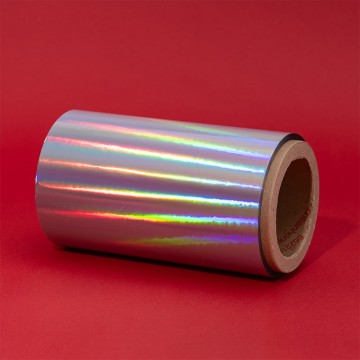
For premium Portuguese exports like Port Wine, olive oil, and high-end cosmetics, packaging is a key brand protector. The integration of Laser Films and holographic micro-embossing into heat-sealable substrates is gaining traction as a method to prevent counterfeiting while enhancing shelf appeal.
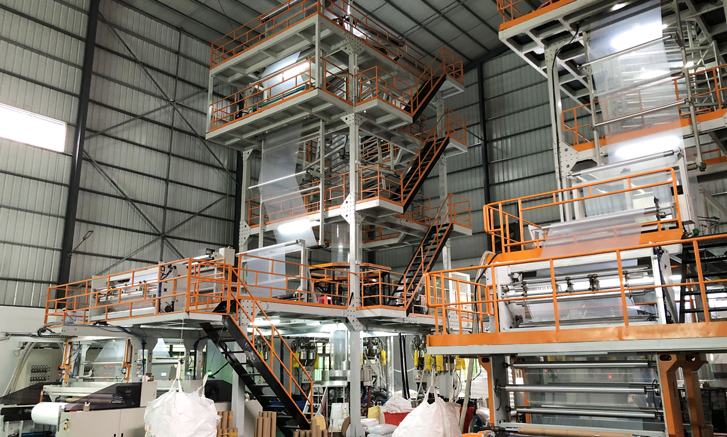
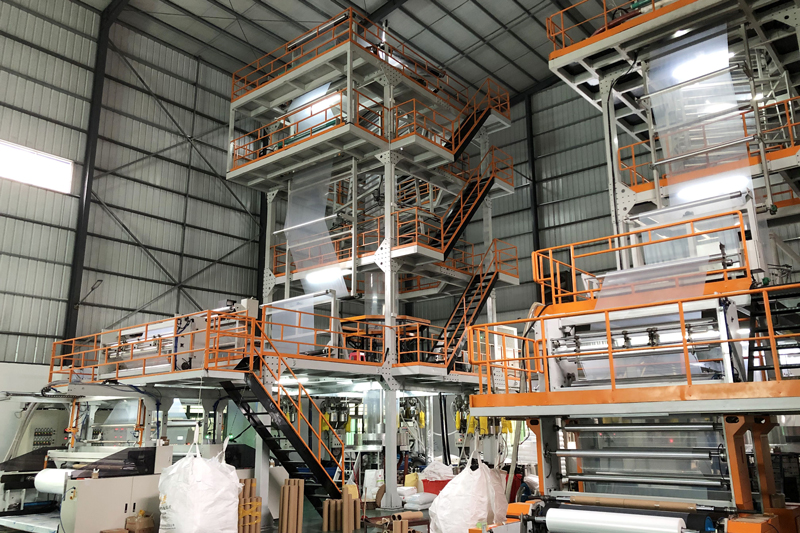
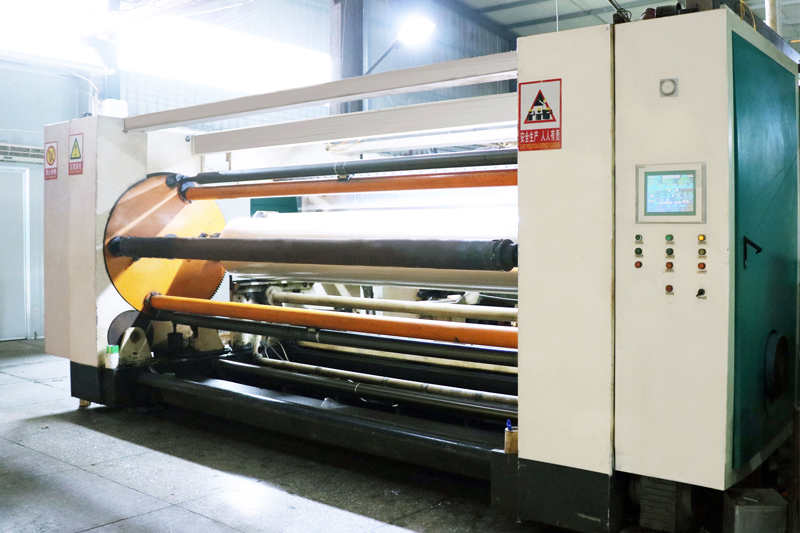
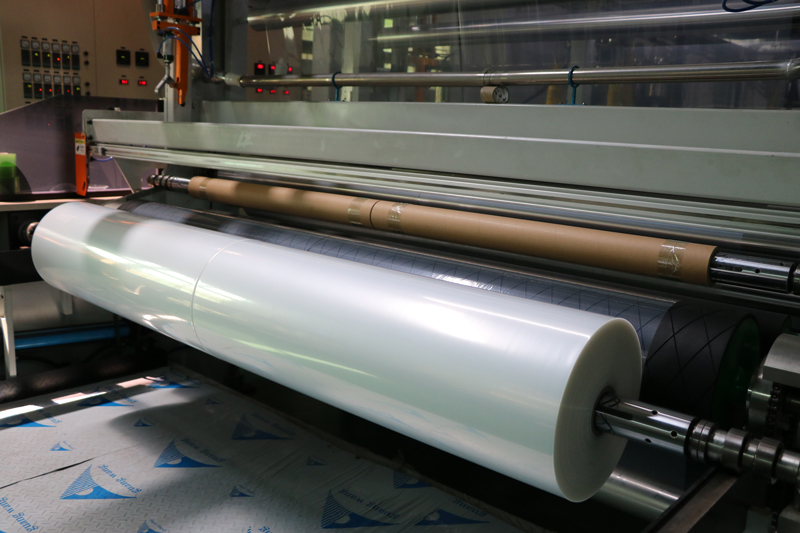
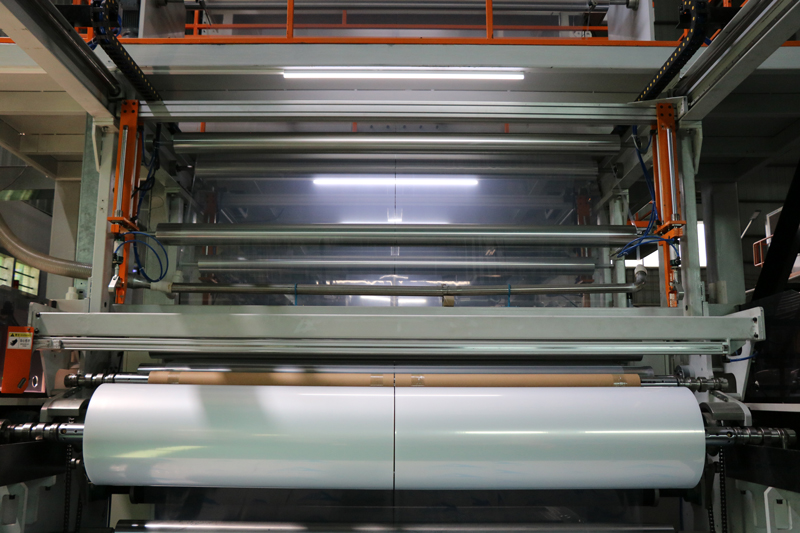
Our 50-acre modern production base is fully equipped with multiple five-layer coextrusion blow molding lines, CPP cast film lines, and wide-format laser lamination equipment. Combined with coating and embossing technologies, our annual production capacity reaches 20,000 tons.
Our technical team of nearly 100, including experienced R&D engineers, provides comprehensive support tailored to the specific needs of our clients' industries, including film selection, lamination process optimization, and functional development (such as antistatic and high-barrier properties), ensuring the optimal balance between packaging performance and cost. Our unique laser and embossed films add a touch of vibrant color to laminated packaging.
"Committed to serving global flexible packaging color printing companies, using innovative film materials to drive the transformation of packaging towards green, efficient, high-barrier, and high-quality"—Tianhong will continue to invest in R&D, focusing on cutting-edge fields such as high-barrier composite substrate films, biodegradable materials, environmentally friendly laser films, and embossed films, helping our clients seize opportunities in the wave of sustainable development. Contact us to collaborate on developing innovative and efficient packaging.
Choosing the correct film substrate depends heavily on the specific thermal processes your packaging will undergo. Here is a breakdown of the primary film types we supply to our Portuguese partners:
| Film Type | Max Temp Resistance | Primary Applications in Portugal |
|---|---|---|
| Cooking PE | Up to 121°C | Retort seafood pouches, pre-cooked traditional Portuguese meals. |
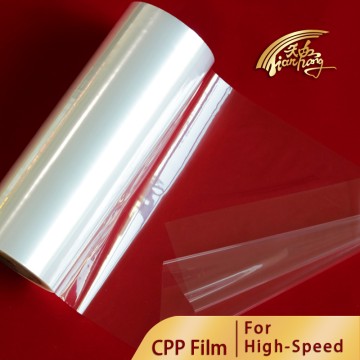
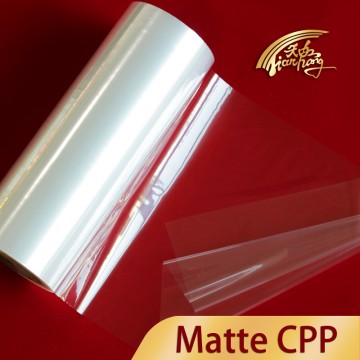
| CPP Cast Film | Up to 130°C | High-speed flow wrapping for bakeries, pasta, and snack packaging. |
| BOPET / PET | Up to 150°C+ | Roasting bags, outer barrier layers for multi-layer retort pouches. |
| IPE Recyclable Film | Optimized Thermal Seal | Sustainable mono-material pouches for dry foods and cosmetics. |
Our technical engineers work closely with Portuguese converters and printing companies to optimize sealing temperatures, dwell times, and pressure settings. This collaborative approach minimizes waste and ensures high-speed efficiency on European-standard packaging machinery.