Leave Your Message
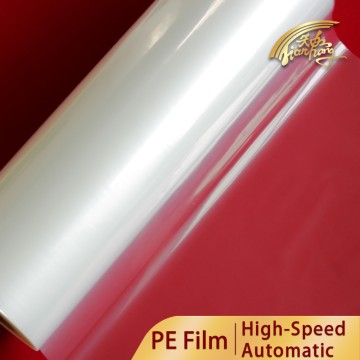
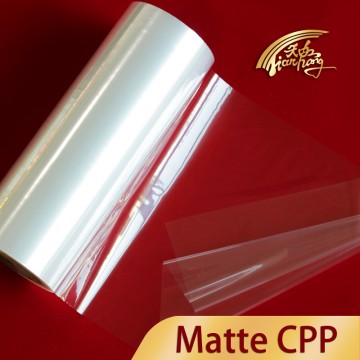
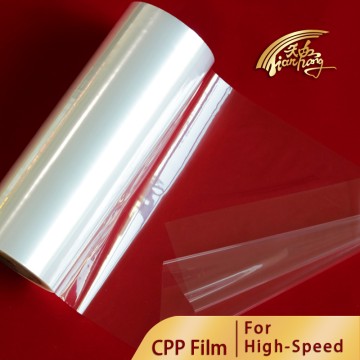
Metro Manila, as the economic heartbeat of the Philippines, is undergoing a rapid technological transformation. From the bustling industrial parks of the CALABARZON region (Cavite, Laguna, Batangas, Rizal, and Quezon) to the high-tech urban centers of Taguig and Makati, the demand for high-performance optical films, semiconductor protective films, and advanced composite packaging substrates has reached unprecedented levels. As local consumer electronics assembly, digital signage, automotive displays, and solar power initiatives continue to expand, the necessity for reliable, high-purity functional films becomes a critical differentiator for local manufacturers.
In the electronics manufacturing services (EMS) sector, which represents a massive portion of the Philippines' export economy, optical films are crucial for protecting liquid crystal displays (LCDs), organic light-emitting diodes (OLEDs), and touchscreens during production and shipment. Manila-based electronics packagers and component assemblers require films with exceptional optical clarity, controlled adhesion, and zero-defect surfaces to prevent contamination and damage. Additionally, the rapid rise of local e-commerce and food delivery services throughout the National Capital Region (NCR) has driven a parallel demand for high-speed, high-barrier functional packaging films that keep products secure and fresh.
1. Electronics & Semiconductor Shielding: High-purity protective films used during the assembly of mobile screens, smart appliances, and automotive display panels in Laguna Technopark and Cavite Export Processing Zone.
2. High-Speed Food Sealing: Specialized low-temperature sealing films designed for fast-food chains, milk tea brands, and local food processors across Metro Manila to optimize packaging speed and reduce energy costs.
3. Solar & Renewable Energy: Weather-resistant photovoltaic backsheet films supporting the Philippines' transition to clean energy in rural Luzon and Mindanao.
The global optical film industry is shifting towards multi-functional integration and environmental sustainability. Optical films, traditionally designed solely for light management in displays (such as polarizing films, diffuser sheets, and brightness enhancement films), are now engineered to offer additional properties like anti-fingerprint, anti-reflective, and ultra-high barrier protection. This convergence is particularly beneficial for manufacturers supplying high-end automotive displays and rugged industrial touchscreens where optical performance must remain flawless under harsh, high-temperature, and high-humidity environments.
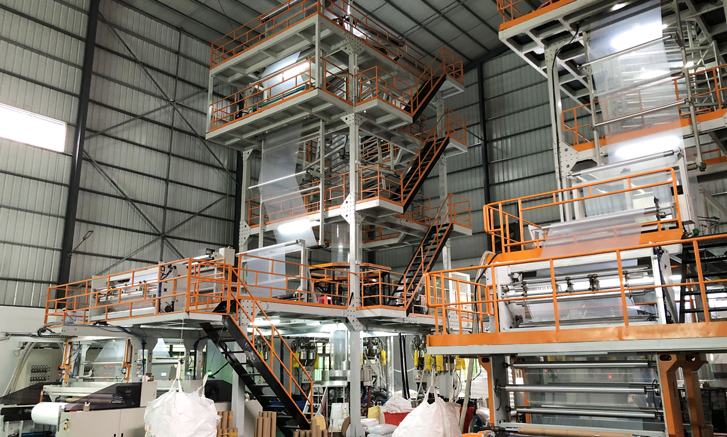
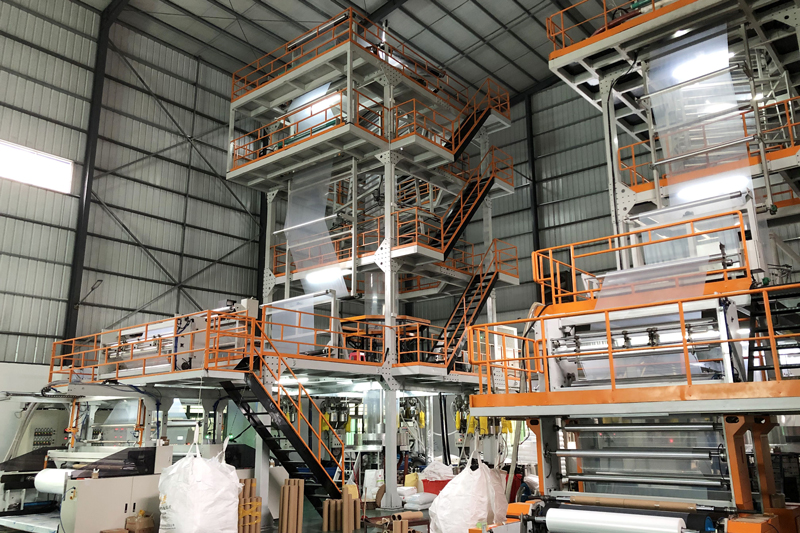
Concurrently, the manufacturing process of functional films has advanced with the introduction of multi-layer co-extrusion technology. By precisely controlling the distribution of polymers across five or more layers, manufacturers can create films that combine the rigidity and optical clarity of polypropylene with the low-temperature heat-sealing properties of advanced polyethylene. This technology reduces the need for adhesive lamination, resulting in a more recyclable, eco-friendly product that aligns with global green initiatives and strict regulatory standards.
For procurement managers and engineers in Manila, selecting the appropriate substrate film involves balancing optical clarity, thermal stability, tensile strength, and sealing efficiency. Different applications demand unique polymer formulations:
By understanding these material characteristics, Manila-based enterprises can optimize their manufacturing lines, minimize product spoilage, and deliver superior end-products to the Philippine market. Our engineering team stands ready to assist in customizing film structures to meet these exact operational requirements.