
Milky White IPE Film from China - Premium Suppliers & Factory for Food and Daily Necessities Packaging
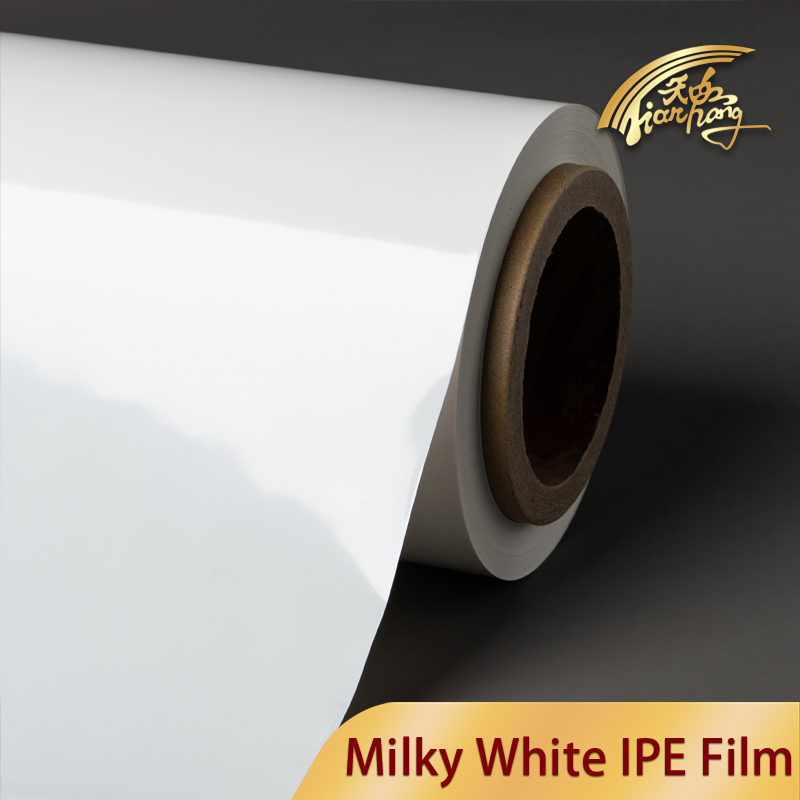
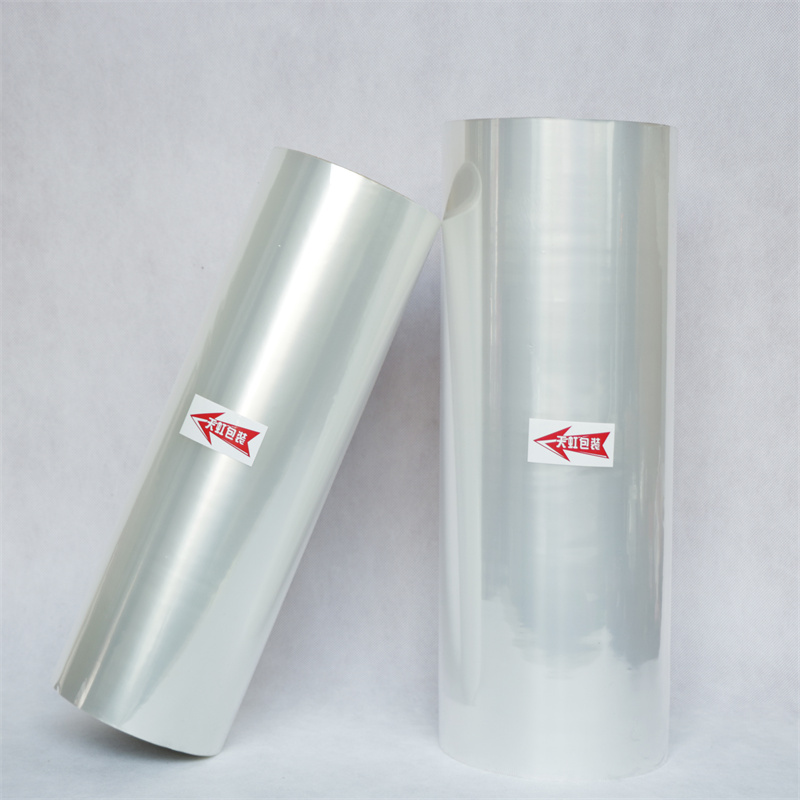
Five-Layer Co-Extruded Blown Milk-White IPE Film
Raw Materials and Appearance Advantages
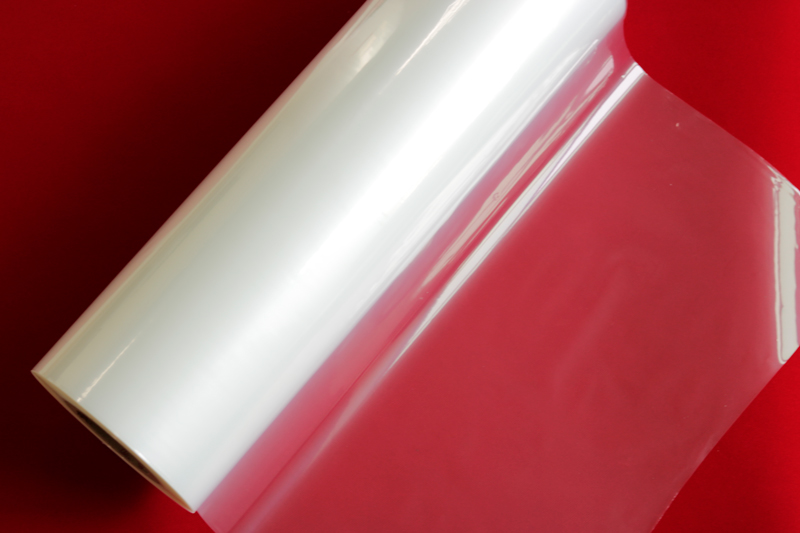
Utilizing high-quality milk-white masterbatch as the raw material ensures a uniform distribution of white color across the film, free from local color discrepancies or white spots, presenting a clean and full appearance. Moreover, the combination of high-grade raw materials and precise manufacturing processes stabilizes the film's physical properties, such as tensile and puncture resistance, resulting in minimal quality variations between batches.
Highlights of the Five-Layer Co-Extrusion Process
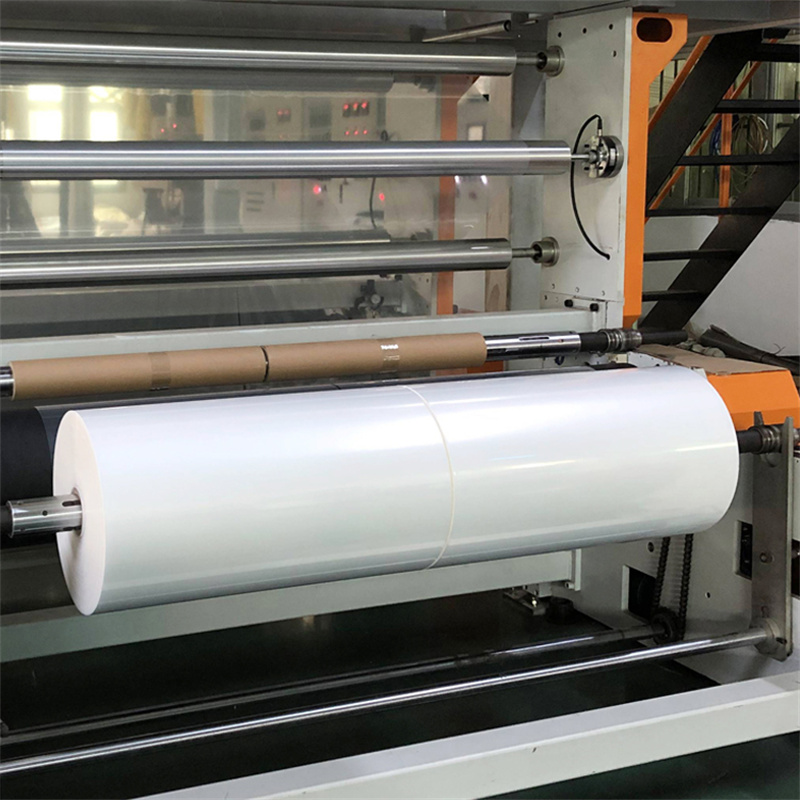
Leveraging professional five-layer co-extrusion blow molding equipment, the milk-white functional layers can be co-extruded in a stratified manner. This design enables more precise control over the distribution density of the milk-white masterbatch. Compared with traditional processes, the resulting film exhibits higher whiteness and stronger covering power, effectively blocking external light and providing enhanced protection for the internal products.
Downstream Cost Savings & Heat Sealing Assurance
The high-quality milk-white film features a consistent and stable base color, allowing downstream flexible packaging manufacturers to directly print colorful patterns without the need for an additional white ink printing process. This significantly reduces production steps and cuts down on ink and labor costs. Additionally, when used in composite packaging, there is no requirement for white ink, eliminating the potential negative impact of white ink components on the heat sealing effect. This ensures a stable heat sealing temperature and improves the reliability of the package seal.
Applicable Industries
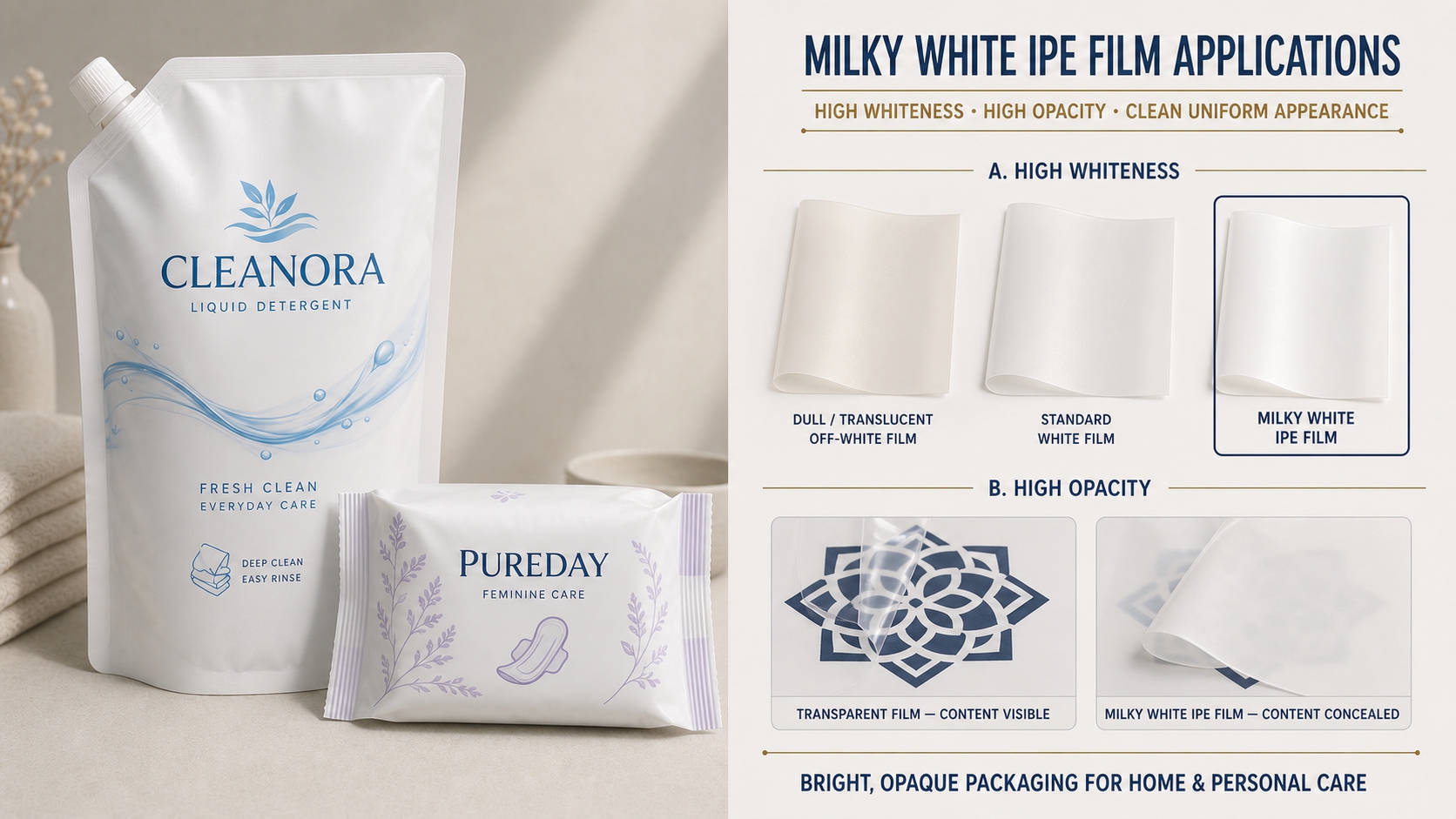
Widely applicable to industries with requirements for packaging light shielding, texture, and cost control, including the food industry (such as packaging for photosensitive and moisture-sensitive food items like biscuits, candies, dried goods, rice, and noodles), the daily chemical industry (such as packaging bags for daily chemical products like laundry powder, laundry liquid, dishwashing liquid, as well as packaging for hygiene products like cotton wipes and sanitary napkins), the home industry (such as packaging for household daily necessities like paper towels, wet wipes, and garbage bags), and can also be used for the protective packaging of certain light industrial products (such as small household appliance accessories and small tools).

It utilizes high-quality milk-white masterbatch, ensuring a uniform distribution of white color across the film without local discrepancies or white spots, while stabilizing physical properties like tensile and puncture resistance.
The process co-extrudes milk-white functional layers in a stratified manner, allowing precise control over masterbatch density. This results in higher whiteness and stronger covering power to block external light effectively.
Due to the consistent base color of the film, manufacturers can directly print colorful patterns without an additional white ink printing step, saving on ink, labor, and production processes.
Yes. In composite packaging, eliminating the need for white ink avoids the negative impact of white ink components on the heat sealing effect, ensuring a stable temperature and a highly reliable seal.
It is ideal for photosensitive and moisture-sensitive foods, including biscuits, candies, dried goods, rice, and noodles.
Yes, it is widely used for packaging daily chemicals (laundry powder, liquid, dishwashing liquid), hygiene products (cotton wipes, sanitary napkins), and household items (paper towels, wet wipes, garbage bags).